
process to buy yeida resale plots near noida airport
Looking to buy YEIDA resale plots near Noida Airport? Discover the step-by-step process to navigate the paperwork easily and find your perfect plot today!process to buy yeida resale plots near noida airport
NCR REGION UP
Rajesh Kumar
3/31/20265 min read
My dear friends, if you have been watching the news lately, you know that the area around the Noida International Airport is basically the hottest piece of real estate on the planet right now. It is 2026, the planes are finally touching down, and everyone I know is talking about getting a slice of the action. I have observed so many people jumping into the market without a clue, and honestly, it breaks my heart to see folks get overwhelmed by the paperwork.
In my experience, buying a YEIDA resale plot is one of the smartest moves you can make, but only if you know how the game is played. It isn’t like buying a pair of shoes online. There are rules, authority visits, and a whole lot of "official" stamps involved. Let’s explore this now so you can walk into your next deal like a total pro.
Why Everyone Wants a Piece of the Noida Airport Action
Look, as far as reality is concerned, the hype is real. I remember driving down the Yamuna Expressway back in 2022. Back then, it was just miles of empty land and a few brave souls betting on the future. Fast forward to today, and that same land is worth a small fortune. Why? Because the airport changed everything.
When you buy a resale plot here—especially in Sectors 18 or 20—you aren't just buying dirt. You are buying proximity to a global hub. I feel that the convenience of being ten minutes away from an international terminal is something you just can’t put a price on. Well, actually, you can, and the price is going up every single week!
Finding the Right Plot in Sectors 18 and 20
If you are just starting your search, you will hear a lot about Sectors 18 and 20. These are the "OG" sectors. They have the most inventory and the best layouts. But don’t sleep on Sectors 17 or 22D either. I have observed that 120-square-meter plots are like gold for middle-class families, while the 300 and 500-meter plots are the big-ticket items for serious investors.
I suggest you spend a weekend driving around the area. See which blocks have the best parks or the widest roads. Without further ado, let’s proceed to the actual "how-to" part, because finding a plot is only 10% of the battle.
Understanding the Registered vs Unregistered Plot Maze
This is where most people get tripped up. You will hear agents talk about "registered" plots and "unregistered" ones. Let me break this down for you in plain English.
A registered plot means the original owner already finished their "Lease Deed" with the authority (YEIDA). The plot is officially in their name in the government records. When you buy this, you do a standard registry at the sub-registrar's office, just like any other house.
An unregistered plot is a bit different. These are plots where the person won the lottery (the allotment), paid their dues, but hasn't done the final registry yet. In these cases, you do something called a "Transfer of Memorandum" or TM. I feel that unregistered plots can sometimes be a better deal because you might save a bit on the initial price, but the paperwork is slightly different.
The Step-by-Step YEIDA Resale Plot Buying Process
Alright, let's get into the nitty-gritty. You found a plot you love. The price is right. Now what? You follow these steps to make sure nobody takes you for a ride.
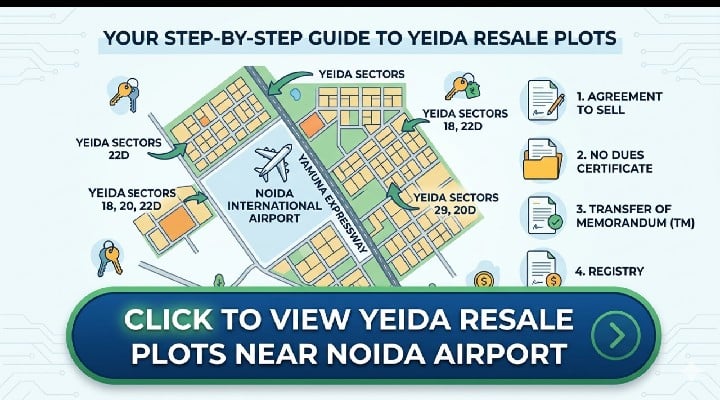
1. The Agreement to Sell (ATS)
First, you and the seller sit down and sign an Agreement to Sell. You usually pay a "token" or "earnest money" at this stage. I always tell my friends to keep this amount reasonable—maybe 10% of the total cost. This document lists the price, the payment schedule, and the deadline for the final transfer.
2. Checking the Paperwork
Do not hand over a single buck until you see the original allotment letter. You also need to check the "No Dues Certificate." This is a piece of paper from YEIDA that says the seller doesn't owe them any money for installments, interest, or penalties. I once knew a guy who bought a plot and later found out the seller owed five years of back-interest. That is a headache you do not want!
3. Applying for the Transfer of Memorandum (TM)
This is the "magic" step for YEIDA plots. You and the seller submit an application to the authority asking them to transfer the plot from their name to yours. YEIDA will check their records, make sure everything is legal, and then issue a TM letter. This letter is your proof that the government recognizes you as the new owner.
4. Paying the Transfer Charges
The government doesn't do this for free, of course. You have to pay transfer charges to YEIDA. These charges are usually a percentage of the original allotment rate or the current circle rate. As of 2026, these fees have shifted a bit, so always check the latest circular on the YEIDA website. Usually, it sits around 2.5% to 5%.
5. The Final Registry
Once the TM is in your hand, you head to the sub-registrar's office in Greater Noida. You pay your stamp duty—which is usually around 7% for men and slightly less for women in Uttar Pradesh—and you sign the final papers. The registrar gives you a big, fancy document with a lot of stamps. Keep that safe! It is your title to the land.
Hidden Costs You Need to Budget For
I hate surprises, and I bet you do too. When you are calculating your budget, don't just look at the plot price. You need to factor in a few extra things:
PLC (Preferential Location Charges): If your plot is on a corner, faces a park, or is on a 24-meter wide road, you will pay extra. YEIDA charges a premium for these "fancy" spots.
Maintenance Charges: Even if you haven't built a house yet, you might owe the authority for keeping the sector clean and the lights on.
Agent Commission: Most brokers near the airport charge 1%. It sounds small, but on a 2-crore plot, that is 2 lakh rupees.
Documentation Fees: Lawyers and "facilitators" will charge you for drafting the ATS and handling the sub-registrar visits.
My Personal Tips for a Stress-Free Deal
In my experience, the biggest mistake people make is rushing because they are afraid the price will go up tomorrow. Yes, prices are rising, but a bad deal is worse than no deal.
I have observed that the most successful buyers are the ones who do their homework. Ask for a "Lien Search Report" from a lawyer. This ensures the plot isn't mortgaged to a bank. Also, make sure the seller is who they say they are. Ask for their Aadhaar card and verify it. It sounds simple, but you would be surprised how many "fake" sellers try to pull a fast one in a hot market.
The Reality of Living Near the Airport in 2026
I want to be honest with you—buying the plot is the easy part. Building on it is the next adventure. YEIDA has strict rules about when you have to start construction. Usually, you have to build at least a small portion of the house within a certain timeframe, or you have to pay "extension fees."
But the reward is worth it. I feel that the infrastructure here is world-class. We are talking about the Film City nearby, the Cargo Hub, and the Metro connectivity that is finally linking everything together. It feels like the future is actually happening right here in our backyard.
Wrapping Your Head Around the Timeline
Don't expect this process to happen overnight. From the day you sign the ATS to the day you get the keys (or the dirt), it usually takes about 30 to 45 days. The authority takes its time to process the TM, and getting a slot at the registrar's office can be a bit of a wait. Just be patient and keep your paperwork organized.
My dear friends, I hope this makes the whole "YEIDA resale" thing feel a lot less scary. It is a big step, but it is one that can change your family's financial future forever. Just remember to double-check everything, pay your fees on time, and keep your eyes on the prize.